Your Practice Transformation Companion

Friday, July 1, 2022

Welcome to Summer!


This summer is already proving to be a hot one in Michigan. It has been in the high 80s and 90s quite a few different times. Although I love the heat, it is important to be careful out there. The sizzling summer days of July are obviously a good time to discuss heat-related illnesses and their warning signs, so here we go.

When we sweat in the warm weather, our body naturally cools itself as the sweat evaporates. When the weather becomes extreme, it is difficult for the sweat to evaporate. This causes our bodies to get too hot.

Extreme heat is defined as summertime temperatures that are much hotter and/or humid than the average. People who are the most at risk are older adults, infants, children, people who are overweight, people who overexert during work or exercise, people with mental illnesses and those who have chronic diseases, such as diabetes, respiratory conditions and heart disease. Even young, healthy people can be affected during the hot weather if they participate in strenuous activities.

According to the CDC, there are 4 different types of heat-related illnesses:

  • Heat rash
  • Heat cramps
  • Heat exhaustion
  • Heat stroke

Heat rash is caused by excessive sweating during hot, humid weather causing a skin irritation. Keep the rash area dry, apply powder (like baby powder) to increase comfort to sooth the rash and stay in a cooler environment. It most commonly affects young children.

Symptoms include:

  • Red clusters of pimples or small blisters on the neck, chest, groin, under the breasts and elbow creases

Heat cramps affect people who sweat a lot during strenuous activity. Low levels of salt in muscles and loss of fluids causes painful cramps. It can also be a symptom of heat exhaustion. Have water to drink and a snack or drink (such as a sports drink) to replace carbohydrates and electrolytes. No caffeine or alcohol please. Stop the activity and go to a cool place to rest. Get medical help if the cramps don’t subside in an hour.

Symptoms include:

  • Muscles cramps, pain or spasms in the abdomen, arms or legs

Heat exhaustion is the body’s response to a loss of water and salt through excessive sweating. It is most likely to affect the elderly, those working in a hot environment, and people who have high blood pressure. Treatment includes rest, a cool shower or bath, air-conditioning, drinking cool, non-alcoholic drinks such as sports drinks.

Symptoms include:

  • Nausea
  • Headache
  • Dizziness
  • Weakness
  • Irritability
  • Heavy sweating
  • Thirst
  • Elevated body temperature
  • Decreased urine output

Heat stroke is the most serious of the heat-related illnesses. It occurs when the body can no longer control its temperature, usually as a result of prolonged exposure to or physical exertion in high temperatures. The body’s temperature rises quickly, it is unable to sweat and unable to cool down. The body temperature can rise to 104 degrees in a short period of time and usually happens in the summer months. It can be caused by simply being in the hot weather or too much strenuous activity in hot weather. Heat stroke can cause disability or death if emergency treatment isn’t received in time. Call 911, get the person indoors or into shade, remove excess clothing and cool them however you can.

Symptoms include:

  • High body temperature
  • Confusion, altered mental state, slurred speech, seizures, dizziness
  • Loss of consciousness
  • Hot, dry skin or profuse sweating
  • Nausea or vomiting
  • Flushed skin
  • Rapid breathing
  • Fast pulse
  • Headache

Stay cool, stay hydrated and stay informed when it is hot outside.

  • If you have air conditioning at your home or office, stay inside as much as possible
  • If you don’t have air conditioning, sit in the basement. You could also go to a shopping mall or library even for a few hours to help yourself cool down.
  • Wear loose, lightweight, light-colored clothing
  • Don’t engage in strenuous activities in the heat
  • Take a cool shower or bath
  • Do necessary outside activities earlier in the day or later in the evening
  • Take breaks when working outside and sit in the shade
  • Avoid exercising and being outside during the hottest part of the day
  • Wear a hat and sunglasses
  • Put on a sunscreen of SPF 30 before going out
  • Keep informed of the weather in your area for heat alerts and safety tips
  • Drink lots of fluids
  • Stay away from sugary or alcoholic drinks
  • Avoid hot and heavy meals
  • Take care of your pets. Always make sure they have cool water to drink. During extreme days, don’t let them stay outside for very long.
  • DO NOT LEAVE CHILDREN OR PETS IN A PARKED CAR EVEN WITH THE WINDOWS CRACKED
    • To remind yourself that a child is in the car, keep a stuffed animal in the car seat. Once the child is buckled in, place the stuffed animal in the front seat with the driver.
    • When leaving your car, check to make sure everyone is out of the car. Do not overlook sleeping children.

It is important to use common sense when we are in a heat wave to protect ourselves and our families. Let’s enjoy the glorious warm weather of summer while we can. Take advantage of the longer days to spend more time with your family and do something fun outdoors. Stay cool and have a happy and healthy summer!

https://www.cdc.gov/disasters/extremeheat/warning.html

https://www.cdc.gov/disasters/extremeheat/heattips.html


Wednesday, June 1, 2022

Get Moving in June!


More sunny days certainly brighten my mood, and the warm sun is feeling good. The trees and plants have suddenly sprouted, flowers are starting to bloom, and the grass is growing at a fast pace. Spring and summer is the time that I wait for all year. Ahh...it’s finally here. Though I’m always a work in-progress on being more physically active no matter what time of year, I tend to become more motivated in the spring and summer since it’s easier to get outside. If you haven’t already started, it’s time to get moving in June!

The health benefits of being physically active are well-documented. The CDC recommends that children and adolescents get 60 minutes or more of physical activity a day. Adults are recommended to get 150 minutes a week.  

How can physical activity help us?

  • Strengthens our muscles and bones
  • Improves our mental health and mood
  • Helps control weight
  • Reduces our risk for certain diseases like type 2 diabetes, cancer, osteoporosis and cardiovascular disease
  • Boosts our immune system
  • Improves our ability to do the activities of daily living
How can we increase our daily physical activity in small ways?
  • Take the stairs as often as possible, then take the stairs a few extra times for more activity
  • Park as far away as you can at the store or at work for those additional steps
  • Stretch your body because it is good for you and will make you feel energized
  • Do desk exercises whether working from home or at the office
  • Think of household tasks like cleaning or mowing the grass as exercise (because it is)
  • Plan more family activities outside with your children

Try not to look at physical activity as a chore. Look at it as a time to rejuvenate your body and mind. Being active has direct stress-busting benefits. Whether you’re into walking, hiking in a park, swimming at the lake, taking a fitness class or even joining a sports team, any form of exercise can be a stress reliever. Make physical activity a part of your stress self-management plan on as much of a daily basis as you can.

One of our most admired First Ladies, Eleanor Roosevelt, is quoted as saying, “The purpose of life is to live it, to taste experience to the upmost, to reach out eagerly and without fear for newer and richer experience.”  What an inspirational sentence. Reflect on that sentence as you plan the next few months activities of spring and summer for you and your family. Rejuvenate your body and mind. Look for new experiences to enjoy. Live your life to the fullest. Get moving in June!

Wednesday, May 4, 2022

Arthritis Awareness Month


One of the most widespread chronic health conditions in the United States is arthritis. With it affecting one in four adults, which is over 58 million people, arthritis takes a toll on many people’s health. Arthritis causes not only disability, but lost wages and the spending of billions of dollars annually in medical costs. The Arthritis Foundation and the CDC has designated May as Arthritis Awareness Month to raise awareness on this debilitating chronic health condition.

Arthritis Awareness Month encourages all adults, including adults with arthritis, to commit themselves to a walking routine of at least 150 minutes per week of moderate intensity aerobic activity. This moderate intensity aerobic activity could be activities like brisk walking or riding a bike. It is also recommended that adults work on muscle-strengthening activities 2 or more days a week.

The main two types of arthritis are:

  • Osteoarthritis 
    • Most common
    • The “wear and tear” arthritis where the joint breaks down from injury or overuse
    • Occurs most frequently in the knees, hands and hips
    • Signs and symptoms include pain, aching, stiffness, swelling, decreased range of motion or flexibility
    • The risk increases with age. Also, a family history, joint injury in the past and obesity put people at an increased risk.
    • Women are more likely to get than men
    • Treatment includes increasing physical activity, physical therapy, weight loss if needed, medications, supportive devices, surgery and self-management strategies
  • Rheumatoid arthritis
    • An autoimmune and inflammatory disease (the immune system attacks healthy body cells)
    • Attacks many joints at once, mainly the hands, wrists and knees
    • The lining of the joint becomes inflamed which causes damage to the joint tissue
    • Causes chronic pain, unsteadiness and sometimes deformity
    • Signs and symptoms include pain/aching/stiffness/tenderness/swelling in more than one joint, the same symptoms on both sides of the body, weight loss, fever, weakness, fatigue
    • The risk increases with age
    • Women are more likely to get than men
    • Specific genes called HLA (human leukocyte antigen) class II genotypes can make the arthritis worse
    • Smoking increases the risk of development
    • Treatment includes medications, weight loss, physical activity, self-management strategies
  • Lifestyle management and evidence-based programs are key to improving the quality of life of people who suffer from arthritis
  • Physical activity programs in the community help participants safely exercise and reduce arthritis symptoms
  • Self-management programs teach people the skills for not only managing their arthritis but other chronic conditions. One of these is the Chronic Disease Self-Management Program (CDSMP) through the Self-Management Resource Center (SMRC), formerly the Stanford University Patient Education Center. The program focuses on decision making, problem solving and action planning. (PTI has leaders who can deliver this workshop at your organization or at our office. Contact hkinkle@transformcoach.org for more information.)
  • Remote delivery of arthritis and chronic disease programs really started moving during the pandemic. These include video conferences, phone conferences, email support, online web-based programs and manual mailing with other resources. Many organizations are continuing to provide remote programs.

Arthritis does not have a cure, but non-surgical treatments can manage it for most people. Some severe cases may need surgery if conservative treatments haven’t help improve the symptoms. Talk with your healthcare provider for the right treatment plan for you.

https://www.cdc.gov/arthritis/communications/features/arthritis-awareness.html

Thursday, March 31, 2022

National Alcohol Awareness Month


The goal of National Alcohol Awareness Month is to increase the awareness and understanding about the causes and effective treatments of one of our nation’s greatest public health problems. Encouraging communities to focus on alcoholism education, alcohol-related issues and support for those seeking recovery are other important ways to bring attention to the matter. 

Since the pandemic started, data shows that many adults increased their alcohol consumption. This may have been caused from the isolation, uncertainty, anxiety and even boredom many faced. People felt the need to self-soothe. For the people who were already having problems coping with alcohol, the pandemic may have caused them to have a relapse.

The Department of Health and Human Services has the following alcohol recommendations:

2 drinks or fewer in a day for men

1 drink or fewer in a day for women

Drinking too much alcohol increases the risk for a variety of physical and mental health problems such as liver disease, stroke, suicide, cancer and alcohol dependence. If you already have a family or personal history of cardiovascular disease, trauma, substance use disorder, mental illness or cancer, you can be even more vulnerable to these and other alcohol-related illnesses.

The National Institute on Alcohol Abuse and Alcoholism has some great topics on their website about alcohol’s effects on health. https://www.niaaa.nih.gov/alcohols-effects-health There are many social media campaigns this month about the causes of alcoholism and the risks of becoming dependent. 

If you are someone you know may be having problems with the overindulgence of alcohol perhaps reworking some habits is a good way to start. 

Try replacing alcohol with other drinks such as a healthy smoothie, mocktails, club soda, alcohol-free beer, sparkling water with lime, or one of the many other non-alcoholic drinks at the store

Go to bed earlier and get extra rest instead of drinking alcohol night after night while watching television

Since many people drink heavy over the weekend, give it a try not to drink for Friday, Saturday and Sunday

Spring is here and it’s time to get outside as our weather starts to get better, so go for a healthy walk with friends instead of meeting after work at the bar

There are also many motivational apps out there now to help cut back or quit drinking. Some of these manage it with evidence-based education and progress tracking with meditations and games to help. There are also coaching calls and videos on some of these.

If you have noticed family or friends drinking more than they normally do, bring it up in conversation. Talk with your teens and college students about alcohol misuse and that it isn’t a coping mechanism for stress. Behavioral therapy and counseling are important for treatment of alcohol issues. Discuss with your primary care physician if you think you may have a problem.

The key to change is building new, healthy habits in whatever you’re trying to change. This can be said for a variety of things whether you’re trying to eat better, exercise more or cut down on alcohol consumption. 

https://www.cdc.gov/alcohol/index.htm 


Monday, February 28, 2022

Celebrate the World of Flavors


March is National Nutrition Month. I don’t know about you, but I’ve definitely been needing help with eating better over the last few months. We may get bored and eat the same things over and over again or need a little push to try something new. Most of us could probably make some healthier food choices if we thought about it. My favorite times of the year are fast approaching, so it’s time to get busy. Bring on spring and summer!

The Academy of Nutrition and Dietetics has some great advice for National Nutrition Month. They want us to celebrate the world of flavors out there and gave some great information for each week of the month. They emphasize eating a variety of nutritious foods from all food groups, learn how to read nutrition labels and incorporate favorite cultural foods and traditions into meals. By planning healthful meals and snacks ahead of time, we have taken charge of what we will eat during the week. We are also encouraged to try varying our diet and adding new flavors and foods around the world. They urge us to see a Registered Dietitian who can help give personalized nutrition information for management of chronic diseases or to meet other health needs if needed. https://www.eatright.org/food/resources/national-nutrition-month

I like the world of flavors sentence in the paragraph above. It embraces global culture and heritage. Yes, we may not be a superstar chef like the ones we watch on television who travel the world for their flavors and learn from the masters of that culture. Those shows are certainly interesting to watch, and we can gain knowledge about different cultures and their food. Perhaps you have friends or coworkers who have favorite cultural recipes, traditions or even a spice or two that you have never tried. We can definitely learn to create new and ambitious meals for ourselves and our families if we give it a chance.

Eating right means making healthy food choices. It may take a little time to educate ourselves, but it doesn’t have to be hard, and we don’t have to give up all the foods we love. Healthy eating can help prevent type 2 diabetes and reduce our risk of heart disease and stroke. Plus, exploring recipes from other cultures opens up a whole world of flavors that we may have never known until we tried them.


Wednesday, February 2, 2022

February is Cervical Health Awareness Month


As Covid cases continue to go up and down like a wild roller coaster, how long will this surreal ride last? Please let me off. I’m done. I never liked this ride from the very beginning. We all hope the current giant hill we are on will be the last and we will no longer feel like we are in danger. I guess that remains to be seen (fingers crossed). Unfortunately, this continual up and down of cases makes a difference to some people whether they go for preventive appointments and/or tests. With February being Cervical Health Awareness Month, it is sadly notable that 26% of women surveyed have not scheduled a cervical cancer screening since the pandemic began. Almost 24% of women aged 40 to 60 say it has been more than 36 months since their last appointment with their OB/GYN provider. That’s not good. These are women who may be at an increased risk for this preventable type of cancer.

Risk factors:

·        Being over 30 years old and have an HPV (human papillomavirus) infection that hasn’t cleared up.

o   HPV is the most transmissible sexual infection in the United States and is now considered a common infection. There are more than 40 types of HPV. Nine out of 10 cervical cancers are caused by HPV and almost all can be prevented by vaccination. Some types of HPV can cause genital warts, but others can cause cervical cancer and certain other cancers (vagina, vulva, penis, anus, back of throat). Vaccines for HPV can help prevent the infections that can lead to these problems. The CDC recommends that girls and boys get the HPV vaccine at age 11 or 12, but you can still get vaccinated all the way up to age 26. It can be weeks or even years after HPV exposure that symptoms develop, making it difficult to know when or whom HPV may have been contacted.

·        Having sex at an early age

·        Having multiple sex partners

·        Not having regular cervical screenings

·        Smoking

·        Using birth control pills for a long time

·        Having a weakened immune system

·        Having a close relative who has had cervical cancer, like a mother or sister

·        Being exposed to diethylstilbestrol (DES) before birth

Symptoms:

·        Increased or unusual discharge from the vagina

·        Blood spotting or light bleeding at time other than a normal menstrual period

·        Menstrual bleeding that lasts longer and heavier than normal

·        Bleeding or pain during or after sex

·        Bleeding after menopause

Note: Certain precancerous conditions of the cervix usually do not cause symptoms and can only be detected with a Pap test and pelvic exam.

Unfortunately, cervical cancer does not usually show symptoms until in the later stages. Pap tests, pelvic exams and HPV tests are crucial in order for early detection.

Cervical cancer used to be one of the leading causes of death for women. With cervical cancer regular screening, vaccination and follow-up treatment, it is now one of the most preventable cancers out there.

Please make your appointment to get preventive appointments and/or tests scheduled if you’ve been putting them off. With all the measures in place at provider offices and hospital outpatient departments, they are safe places to go for care.

Early detection saves lives.  

https://www.preventcancer.org/education/preventable-cancers/cervical/   

https://www.cdc.gov/hpv/index.html  

https://www.preventcancer.org/event/cervical-health-awareness-month-2022/


Monday, January 3, 2022

Do You Have Seasonal Affective Disorder?


Sometimes we don’t feel like ourselves, especially when the cold winter months in Michigan make us feel otherwise. Some people may feel a little sad or down when it is dark in the morning upon awakening and dark before we leave work or eat our dinner. We may not like winter with its unique stressors of ice, snow and the fearsome wintry mix. Our feelings can be generally negative about winter, and we dread it coming every year. We don’t enjoy winter activities or wearing a heavy coat, gloves and hat. We withdraw socially, crave comfort foods, gain weight and sleep too much. Even the beginning of fall brings us trepidation about winter. But as soon as we start seeing longer daylight hours in the spring, we feel more hopeful. Our days literally begin to brighten, and the abundance of sunshine makes us feel better.

Mood changes that affect how we think and handle our activities of daily living may signal that we have seasonal affective disorder (SAD), which is a type of depression. SAD has a recurrent seasonal pattern that only lasts as long as the season that is bothering us. Winter SAD occurs more in women than men and is more common in people who live in the north where there are shorter daylight hours in the winter. Believe it or not, there is a summer SAD, but it is less common.

What causes SAD? Some evidence shows that sunlight plays a role in the brain’s production of serotonin and melatonin. During the winter our body produces less serotonin which fights depression and more melatonin which encourages sleep. Vitamin D deficiencies may also cause problems as vitamin D is believed to promote serotonin activity. We are exposed to less vitamin D during the reduced daylight hours in the winter months. All of these things, along with the negative thoughts we may already have about winter, fit into this.

How can we treat SAD? There are also a few simple things that can be tried to ease symptoms:

  • Spend time outdoors every day
  • Plan a vacation to a warm, sunny place
  • Keep the window shades open in your home to let in the light
  • Stick to a sleep schedule and try not to oversleep
  • Exercise regularly
  • Eat healthy with a diet low in carbohydrates and high in whole grains, fruits and vegetables
  • Light therapy, which is sitting in front of a strong light box that has UV rays filtered out for 30-45 minutes in the morning from fall to spring. (Note: If you are concerned about a child, talk to your child’s doctor before using something like this.)
  • Use a dawn simulator which gradually brings light into your bedroom making the body think that sunrise has happened. Some of these may also help you fall asleep with items such as a sound machine and/or meditation.
  • Take vitamin D

Winter SAD is predictable and some things on this list can be started in the fall. If items on this list don’t work for you and you feel your problem is more concerning, have a talk with your primary care provider. Other things that can help are antidepressant medication and behavioral therapy. If even more troubling symptoms such as feeling depressed most days, losing interest in activities, feeling hopeless or worthless, or thoughts of suicide or death, please get immediate help through your primary care provider, mental health specialist, or the National Suicide Prevention Lifeline at 1-800-273-TALK (8255).

Of course, our continued Covid winter doesn’t help SAD sufferers in any way. The isolation it has caused can contribute to our feelings. Do everything you can do from the above list to help yourself. Think spring. Bring on the sun and longer days. Take your vitamin D in the winter months. Get away to a sunny place such as Mexico or another warm country, where the beautiful beaches and the turquoise water reign supreme (fingers crossed for March.). Each day brings us a step closer to the end of winter SAD and beginning of another glorious spring.

https://www.nimh.nih.gov/health/publications/seasonal-affective-disorder


Wednesday, December 1, 2021

National Influenza Vaccination Week


December is here and so is the flu season, along with the continuation of the COVID pandemic. Lucky us. Even though the flu season last year wasn’t bad, the consensus by the experts is that all the mask wearing, staying home and handwashing helped. We may not be so lucky this year with so many people thinking the pandemic is over. Flu visits us from fall to spring. The length and severity of the season can vary from year to year.

What is the best way to help protect against the flu? An annual flu vaccine. It takes about 2 weeks for antibodies against the flu to develop.

Why do we need a new vaccine every year? The flu virus changes and alters itself every year. This is why it can be so widespread and hard to avoid. That is also why there is a new vaccine every year.

Who should get a flu shot? Everyone 6 months and older per the CDC.

Some of the flu symptoms that people most often get are:

  • Coughing
  • Headache
  • Muscle or body aches
  • Fever (some people do not get a fever)
  • Runny or stuffy nose
  • Sore throat
  • Fatigue
  • Vomiting and diarrhea (more common in children)

There are certain groups of people who are at increased risk of getting the flu and having dangerous complications. These include:

  • Children between 6 months and 5 years old
  • Pregnant women and women up to 2 weeks after pregnancy
  • People over 65. There is a high-dose flu shot for these individuals as the immune system response decreases with age.
  • Anyone who has a chronic medical condition. These include lung disease, asthma, neurological conditions, blood disorders, heart disease, kidney disease, liver disease, immune system disorders.
  • People with a BMI of 40 or higher
  • Individuals who live or work in a nursing home or chronic care facility. They have more chances of exposure to the disease.

Flu and COVID continue to be a risk for us all. Get your flu shot as soon as possible. Please get your COVID vaccine(s) if you haven’t gotten it/them yet, and your COVID booster if you’ve already had your COVID vaccination(s). We want everyone to stay well and prevent illness the best they can.

PTI wishes you and your family a healthy, happy, flu-free and COVID-free holiday season. https://www.cdc.gov/flu/season/faq-flu-season-2021-2022.htm

Monday, November 1, 2021

Take Small Steps to Prevent Type 2 Diabetes


November is National Diabetes Month. For 2021, the focus is on prediabetes and preventing type 2 diabetes. Almost half of adults 65 years of age or older have prediabetes, which is a major risk factor for type 2 diabetes. Prediabetes is when your blood sugar level is higher than normal, but not high enough to be classified as type 2 diabetes. By joining a Medicare Diabetes Prevention Program (MDPP), patients can lower their risk of type 2 diabetes by improving their health and building healthy habits.

The National Diabetes Prevention Program was developed by the Centers for Disease Control and Prevention (CDC) to help prevent or delay the onset of type 2 diabetes. The program is evidenced-based with research that shows lifestyle modifications can cut the risk of type 2 diabetes in half. People in the program who have a modest weight loss of 5-7% of their body weight and work up to 150 minutes of exercise per week cut their risk of developing type 2 diabetes by up to 58% (71% for people over 60 years old). Support is given by Lifestyle Coaches on how to eat healthy, manage stress, stay motivated, problem solve and provide tips on how to get more physical activity. Coaches help keep the motivation going by suggesting small changes to lifestyle and daily habits. Attendees also are supported by the other people in the class who have similar goals.

For the MDPP, sessions are offered over a 2-year period, although the Centers for Medicare and Medicaid Services (CMS) are considering shortening the program to 1 year. The first 16 modules are presented over the first 6 months of the program, then there are 10 presented over the next 6 months to help maintain healthy habits. Participants are weighed each week, give coaches their activity minutes and discuss how their action plan went for the week. Monthly maintenance sessions are offered for an additional 12 months for eligible beneficiaries who have met certain weight loss and attendance goals. 

To be eligible for the MDPP, beneficiaries must have:

  • Medicare Part B coverage through Original Medicare (Fee-for-Service) or a Medicare Advantage (MA) plan
  • Results from one of three blood tests conducted within one year before the first core session:
    • Hemoglobin A1c test with a value of 5.7-6.4%
    • Fasting plasma glucose test with a value of 110-125 mg/dl
    • Oral glucose tolerance test with a value of 140-199 mg/dl
  • A body mass index (BMI) of at least 25; 23 if self-identified as Asian
  • No history of type 1 or type 2 diabetes, with the exception of gestational diabetes
  • No End Stage Renal Disease (ESRD)
  • Never participated in the MDPP before

We have lifestyle coaches who are currently providing virtual programs for the MDPP. There is no cost for eligible beneficiaries. If your organization is interested, please contact Harmony at hkinkle@transformcoach.org for more information. 

To learn more about the MDPP, please see the CDC website at www.cdc.gov/diabetes/prevention/lcp-details/mdpp.html


Monday, October 4, 2021

National Breast Cancer Awareness Month


With October being called the Pink Month, we are reminded to think about how every woman’s life is important. This is the time of year to increase awareness of the disease and help raise funds to keep researching the causes and treatments. Throughout the difficult year and a half that we have all been experiencing, many women have not gotten their mammograms. It’s time to be proactive about our breast health going forward as knowledge and early detection can save lives. 

One in eight women will be diagnosed with breast cancer in her lifetime. Pretty scary. Most may never know the exact source of their cancer, but it is always caused by some kind of damage to the cell’s DNA. There are many risk factors, though. Some of these are avoidable risk factors (environmental and lifestyle) and the others are risk factors that cannot be changed (genetic).

Environmental and Lifestyle Risk Factors:

  • Lack of physical activity
  • Poor diet
  • Being overweight or obese 
  • Chest radiation before the age of 30
  • Alcohol consumption
  • Combined hormone replacement therapy

Genetic Factors:

  • Gender
  • Age 
  • Race
  • Obesity
  • Family history
  • Personal health history
  • Mutations in certain genes (BRCA1 and BRCA2)
  • Dense breast tissue

Per the American Cancer Society, if breast cancer is detected early and is in the localized stage, the 5-year survival rate is 99%. Early detection means women are doing monthly breast exams to identify any changes to their breasts, scheduling regular breast exams with a clinician and having a mammogram when indicated.

There are lots of pink ribbons, socks, shirts and hats to choose from for Breast Cancer Awareness Month. Here is the recipe for a pink smoothie that is packed full of antioxidants, vitamin C, potassium, protein, and fairly low in calories (around 315). Combine all the ingredients in a blender until smooth and creamy and enjoy!

Ingredients

  • 1 cup fresh or frozen mixed berries
  • 1 frozen ripe banana
  • ½ cup low fat plain Greek yogurt
  • ¼ orange juice
  • 1 teaspoon honey or maple syrup
  • 1 tablespoon of peanut butter (optional)

A healthy diet that is full of fruits, vegetables, fish, poultry, low-fat dairy, and 30 minutes a day of exercise (even power walking!) can lower breast cancer risk and boost your immune system. Be proactive about your breast health during this month. 

https://www.nationalbreastcancer.org/ 

https://www.nfcr.org/blog/pink-smoothie-for-breast-cancer-awareness-month/?gclid=Cj0KCQjwtMCKBhDAARIsAG-2Eu_GnYiIOdw2_YPfR9JBp4ivGLgdCpYB3hV3ItYgSjmeC-d-anpjFt0aAl5EEALw_wcB 


Wednesday, September 1, 2021

Ride the Wave


It’s September and there’s no doubt that life continues to be difficult for many of us. Whether a home crisis of bees in the attic, a mother in the hospital, both golf buddies having heart problems, the kids starting at new schools, and the new school year in general, it can be hard to see the light sometimes. That pesky pandemic (that I definitely call by a different word rather than “pesky”) keeps hanging on like a bad habit day after day making it harder to be resilient to life’s natural challenges. The normal ups and downs of life are made worse with our lives continuing to be abnormal.

What can we do? We can try to enhance our resilience. What is resilience? It is the ability to withstand adversity and bounce back from difficult life events. It doesn’t mean that we don’t experience problems or stress or suffering, but we are able to tap into the strengths that we have to overcome some of our challenges. Pandemic life and all that it has thrown at us has definitely been challenging for sure.

One of the most important things we can do is to take care of ourselves with healthy habits. These are the foundation to emotional and mental resilience. Mental breaks and practicing relaxation can keep those stress chemicals in our brain at rest and sometimes this can stop us from being overwhelmed.

If you didn’t know it, September is National Yoga Awareness Month. The purpose of this month is to promote the health benefits of yoga. Many people find that yoga relieves stress, enhances the quality of life and improves physical fitness. So maybe take a yoga breather by finding a class online or in-person. Yoga can be one tool in your toolbox to improve your resilience.

You have to keep moving forward to keep your sanity in these trying times. Don’t be hard on yourself. Deal with things day by day. Ride the wave! You got this.

Tuesday, August 3, 2021

August is Children’s Eye Health and Safety Month

It’s hard to believe that it is already time for parents to deal with “back to school” when 2020 and a large part of 2021 have been so difficult to maneuver. Are the kids physically in school or out of school this week? How will I work from home and help my children as they do online school? Will they be physically at school for the new school year in the fall of 2021? It would be nice if the start of the school year would be “back to school” and “back to normal,” but there appears to be some possible glitches that may come and go. All we can do is keep hoping for the best and think positive.

As children go back to whatever their learning environment this fall will be, we need to remember that healthy vision is of the upmost importance to their ability to learn and their overall healthy development. Children are sometimes unaware they even have a vision problem, so they don’t know how to ask for help. 

Children’s Eye Health and Safety Month reminds us that that our children need the best opportunity to have a successful school year by having their vision checked. Eye exams are important as vision changes can occur without you or your child noticing. This month also stresses the importance of preventing sports-related eye injuries and vision loss and wearing protective eyewear when playing sports. 

As children get older, any untreated eye disease or eye condition can become more difficult to treat. If these worsen, they can lead to other problems such as reading ability, classroom behavior and social problems. 

Some of the vision problems effecting children are:

  • Amblyopia (lazy eye)
  • Strabismus (crossed eyes)
  • Myopia (nearsightedness)
  • Ptosis (drooping of the eyelid)
  • Color deficiency (color blindness)
  • Hyperopia (farsightedness)
  • Astigmatism (imperfection in the eye’s curvature causing blurry vision, eyestrain, headaches, squinting)

Some of the warning signs that may show that your child may have a vision problem are:

  • A lack of interest in looking at far away objects
  • Disinterest in reading
  • Turning of the head or squinting the eyes while watching television
  • Crossed or wandering eyes
  • Family history of childhood vision problems

With vision problems being the 4th most prevalent class of disability in the United States and one of the most prevalent conditions in childhood, the importance of an eye exam cannot be overstated. Vision screening and eye care are essential components for health and are, hopefully, on that school list for the fall. https://www.cdc.gov/visionhealth/resources/features/keep-eye-on-vision-health.html 


Wednesday, June 30, 2021


National UV Safety Awareness Month

We are excited about basking in a wonderful Michigan summer as we re-enter society. Covid cases are way down, a good percentage of the public is vaccinated (with more getting vaccinated every day), and we are ready to move forward. We have already had a lot of hot and sticky days with plenty more to come, so this is a good time to talk about July being UV Safety Awareness Month.

Let’s go to the beach and play! Let’s lay out underneath the golden sun and absorb its goodness. It sounds so nice and relaxing and something that we always look forward to. But wait a minute. Do we still really need to protect ourselves from the sun after what we have gone through during hell year? We have been through enough. It doesn’t seem fair. We want to dive into everything with a vengeance. 

Bubbles burst every day and this one is no different. You know the answer and it isn’t very hard. We still need to protect ourselves from the sun to minimize the risks of its damaging effects. 

What are those damaging effects? The sun exposes us to radiation in the form of ultraviolet rays which are called UVA and UVB. Both of these can damage our skin and eyes. UVB penetrates the outer layer of our skin and UVA penetrates beyond the top layer and down into the middle layer. 

If we aren’t careful about protecting ourselves from the sun, we can set ourselves up for some potentially harmful outcomes:

  • Skin cancer (basal cell carcinoma, squamous cell carcinoma, melanoma)
  • Premature skin aging
  • Eye damage (cataracts, macular degeneration, keratitis)
  • Vision problems (blurred vision, light sensitivity, excessive tearing)
  • Immune system suppression (causing a defective immune response)

There are ways we can reduce our risk of too much sun exposure if we take precautions. As you spend time outside, make sure to practice these important tips for sun safety. 

  • Stay in the shade under a tree, shelter or umbrella, especially during the midday hours of 10 am to 4 pm. 
  • Remember that the sun can hurt our skin even on cloudy or cool days
  • Wear clothes that protect exposed skin from the harmful effects of the sun such as long-sleeved shirts and long pants or skirts. Even a beach coverup or tee shirt can help. Darker colors offer more protection. Some clothes even offer UV protection.
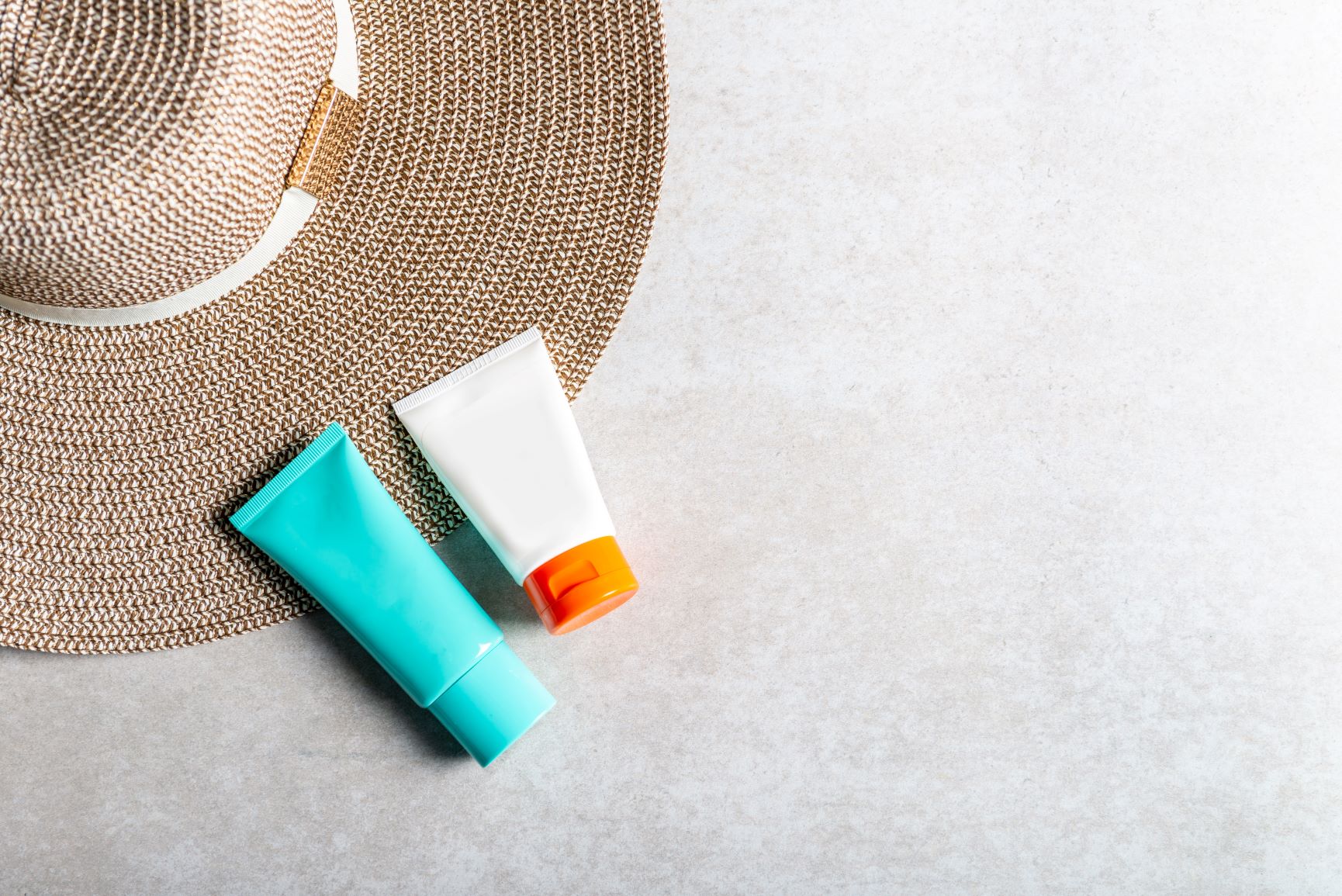
  • Wear a wide brimmed hat to shade the face, ears, neck and head. If you wear a baseball cap, you need to protect the back of your neck and ears by covering those areas or applying sunscreen.
  • Wear sunglasses that block both UVA and UVB rays. These rays can reflect off surfaces such as sand, cement, water and even snow.
  • Wear sunscreen with a sun protection factor (SPF) of at least 15. Dermatologists recommend an SPF of at least 30 that is water resistant. Reapply at least every two hours and after sweating, wiping yourself off with a towel, or being in the water
  • Certain medications that we take can increase our sensitivity to the sun and increase our risk of getting sunburn (NSAIDs, tetracyclines, amiodarone)

PTI wishes you and your family an amazing summer!


https://www.cdc.gov/niosh/topics/sunexposure/default.html 

https://www.cdc.gov/cancer/skin/basic_info/sun-safety.htm 

https://www.aad.org/public/everyday-care/sun-protection/sunscreen-patients/sunscreen-faqs     


Wednesday, June 2, 2021

Get Healthy in a Park!


The second Saturday of each June is National Recreation and Park Association (NRPA) Family Health and Fitness Day. For this year, the date is June 12. The purpose of this day is to promote the importance of parks and recreation in keeping our communities healthy and fit. We need this more than ever this year as we re-enter society.

The health benefits of exercise are well-documented. However, most adults and children are not active enough. The CDC recommends children and adolescents have 60 minutes or more of physical activity per day and adults 150 minutes per week. Having access to great places like parks encourages us to get out and participate. The closer you live to a park, the more likely you and your family are to use it.

Physical activity and recreation benefits us in a number of ways:

  • Improves mental health, mood and quality of life
  • Helps control weight
  • Reduces risk for certain diseases such as type 2 diabetes, cardiovascular disease, cancer, osteoporosis
  • Strengthens bones and muscles
  • Boosts immune system
  • Improves ability to do activities of daily living (especially once we get older)

Parks can help improve the overall health and wellness of our nation by the simple act of just being outside in their glory. Beautiful outdoor settings support good health for people of all ages, backgrounds and abilities. Exposure to nature is good for us!

Think about all different things that you and your family can do in a park:

  • bike
  • playground activities
  • picnic
  • camp
  • hike
  • study nature (maybe have kids make a nature journal)
  • observe wildlife
  • take pictures of what inspires you
  • play ball
  • identify rocks
  • scavenger hunts
  • fly a kite
  • bird watch
  • fish
  • swim
  • boating
  • play with your dog
  • community special events
  • challenge activities (races, obstacle courses)
  • high adventure challenges (rock climbing, zip-lines)and so much more….

Being outside can help us bond with family and friends. Some parks have organized programs which encourages people of all ages to do things such as gardening and caring more about the environment. There are many positive impacts that parks and recreation can have on our physical, social and mental health. When we see the open spaces and trails, it encourages us to use them. And you know what? You just might make a new friend in a park while you’re becoming more physically active.

But we don’t just need one day for family health and fitness. We need to make this an ongoing occurrence in our lives as we get back to normal and the pandemic winds down. Taking better care of ourselves and our families by getting outside for a healthy dose of physical activity is a great start. Plan to have active family time at one of the wonderful parks in your community or around the nation as you ease back into vacation mode.

If you were a Parks and Recreation television fan like me, bring out your inner Leslie Knope and do your parks proud. Get out there and use them, so you don’t lose them. Be an inspiration to your community and each other.  

National Recreation and Park Association Family Health and Fitness Day
https://www.nrpa.org/events/family-fitness-day/

U.S. National Park Service – Find a Park
https://www.nps.gov/findapark/index.htm

Michigan National Park Service
https://www.nps.gov/state/mi/index.htm

Huron-Clinton Metroparks
https://metroparks.com


Saturday, May 1, 2021


 Have You Been Taking Care of Your Mental Health?

If you feel you may have gotten a form of mild obsessive-compulsive disorder due to the pandemic and the cleaning rituals that were started, you are not alone. I am right there with you. But for those who have battled a true obsessive-compulsive disorder for years, the pandemic may have worked against years of therapy. 

The pandemic has done us harm in many ways. This has been one long period of unpredictable stress for many. The days and weeks seems to blur one into another. We may find we have a lack of motivation and energy. How hopeful we feel can change daily. We are exhausted. We are sick of thinking about and talking about COVID. It has caused disruptions and uncertainty about our future with many hardships being faced. Financial problems, COVID illness and death, job loss, school-age children learning from home, childcare issues, parents working from home, juggling even more responsibilities, travel restrictions and not seeing family and friends. The horrible list goes on. 

Many people admit their mental health has gone on a downward spiral and seems to hover in a caution zone. Some days it may be in a red zone. It is true that we’ve been traumatized. Some experts think this is the normal adaptive response to the stress caused by the pandemic and the changes to our lives that some people are experiencing. Learning to cope is of upmost importance. The mental impact of over a year dealing with quarantine is not good. This was new to all of us, and it is hard to know what to do sometimes.

Do we continue to take deep breaths and hope that we may be out of this situation sometime this year? That’s a start, as we struggle to make sense of this situation and the upending it has done to our lives. There will be a time to learn how to re-socialize and re-enter the world and it will be soon.

Will there be some things that may forever change once we reach herd immunity? I’m sure there will be. Will the shaking of hands be gone forever? I’m okay with that. Are you going to feel you need space when people get too close at the store? That’s when the shopping cart will come in handy. 

Take small steps when you can to manage your risks, like still having masks and hand sanitizer and washing your hands. If you’re lucky enough to have an office that has implemented safety policies, then the transition back there might be easier. It would be nice to see our office friends again and have lunch in our conference room like we used to, even if it is behind plexiglass. I miss our lunches together so much!

What are some things we can do for a positive impact on ourselves?

Practice mindfulness. Things such as meditating, praying and/or focusing on the positive things in your life daily.

Keep a routine. Focus on the things in your control. Do activities you enjoy whether it’s watching a movie or walking outside with your family or pets. Talk to family and friends regularly.

Take a break from the news. Too much social media isn’t good for anyone and neither is reading, watching or listening to COVID news. 

Listen to your body. Eat healthy, get some exercise, try to get enough sleep, stretch and breathe deep. 

The virus has had an impact on our mental health, and it is time to recover it. Anxiety is a completely normal response to stress, but if it becomes too overwhelming, please talk to someone. Your primary care provider is a great start for help. There are many other resources that are only a referral or a click away. Be kind to yourself and get help if you need it. After all, May is National Mental Health Month.

There is a light up ahead and excitement will be in our future. We can do this. Be patient even though it is getting extra hard. Hang in there a bit longer. Please.

https://www.cdc.gov/coronavirus/2019-ncov/daily-life-coping/managing-stress-anxiety.html