Your Practice Transformation Companion

Wednesday, June 30, 2021


National UV Safety Awareness Month

We are excited about basking in a wonderful Michigan summer as we re-enter society. Covid cases are way down, a good percentage of the public is vaccinated (with more getting vaccinated every day), and we are ready to move forward. We have already had a lot of hot and sticky days with plenty more to come, so this is a good time to talk about July being UV Safety Awareness Month.

Let’s go to the beach and play! Let’s lay out underneath the golden sun and absorb its goodness. It sounds so nice and relaxing and something that we always look forward to. But wait a minute. Do we still really need to protect ourselves from the sun after what we have gone through during hell year? We have been through enough. It doesn’t seem fair. We want to dive into everything with a vengeance. 

Bubbles burst every day and this one is no different. You know the answer and it isn’t very hard. We still need to protect ourselves from the sun to minimize the risks of its damaging effects. 

What are those damaging effects? The sun exposes us to radiation in the form of ultraviolet rays which are called UVA and UVB. Both of these can damage our skin and eyes. UVB penetrates the outer layer of our skin and UVA penetrates beyond the top layer and down into the middle layer. 

If we aren’t careful about protecting ourselves from the sun, we can set ourselves up for some potentially harmful outcomes:

  • Skin cancer (basal cell carcinoma, squamous cell carcinoma, melanoma)
  • Premature skin aging
  • Eye damage (cataracts, macular degeneration, keratitis)
  • Vision problems (blurred vision, light sensitivity, excessive tearing)
  • Immune system suppression (causing a defective immune response)

There are ways we can reduce our risk of too much sun exposure if we take precautions. As you spend time outside, make sure to practice these important tips for sun safety. 

  • Stay in the shade under a tree, shelter or umbrella, especially during the midday hours of 10 am to 4 pm. 
  • Remember that the sun can hurt our skin even on cloudy or cool days
  • Wear clothes that protect exposed skin from the harmful effects of the sun such as long-sleeved shirts and long pants or skirts. Even a beach coverup or tee shirt can help. Darker colors offer more protection. Some clothes even offer UV protection.
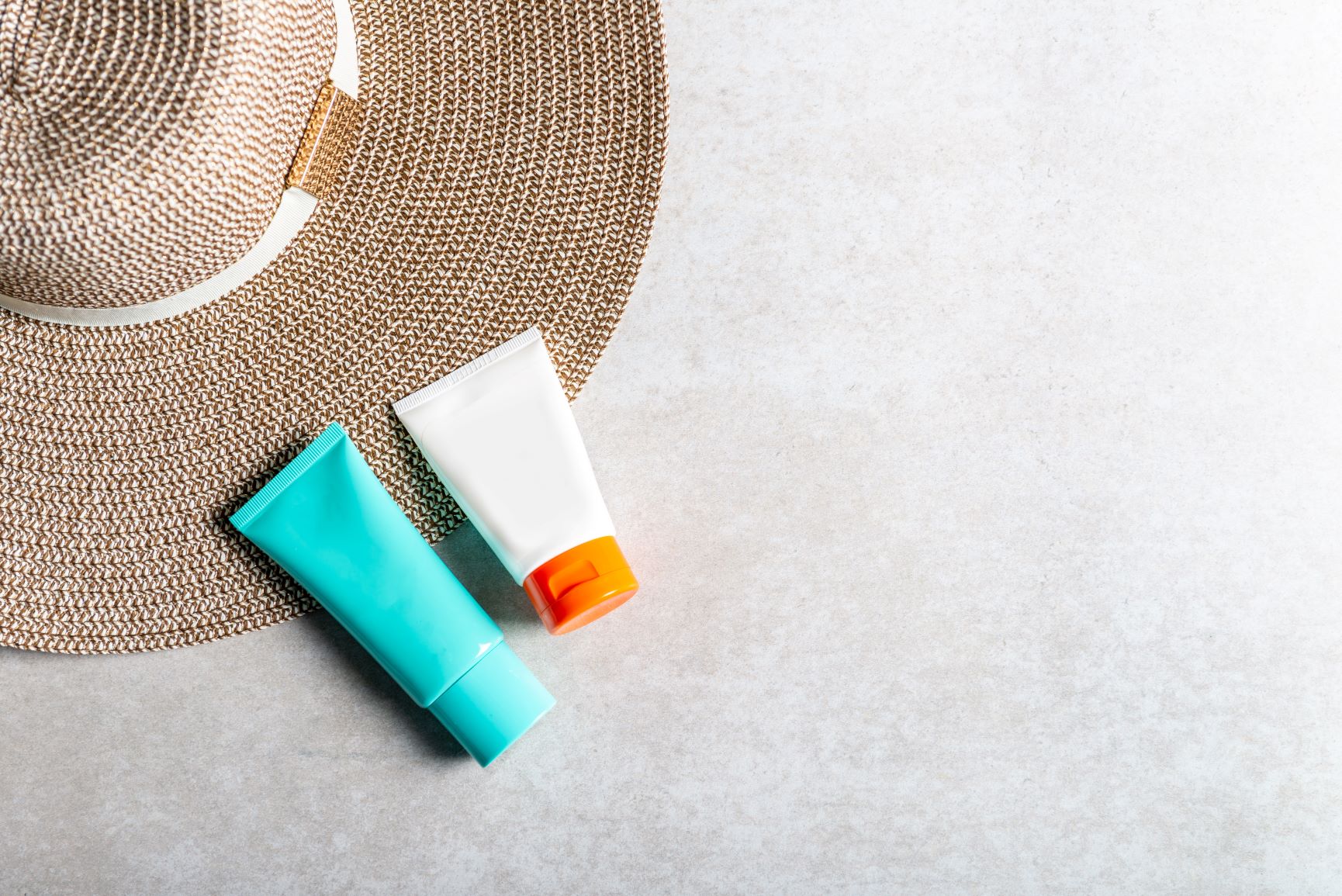
  • Wear a wide brimmed hat to shade the face, ears, neck and head. If you wear a baseball cap, you need to protect the back of your neck and ears by covering those areas or applying sunscreen.
  • Wear sunglasses that block both UVA and UVB rays. These rays can reflect off surfaces such as sand, cement, water and even snow.
  • Wear sunscreen with a sun protection factor (SPF) of at least 15. Dermatologists recommend an SPF of at least 30 that is water resistant. Reapply at least every two hours and after sweating, wiping yourself off with a towel, or being in the water
  • Certain medications that we take can increase our sensitivity to the sun and increase our risk of getting sunburn (NSAIDs, tetracyclines, amiodarone)

PTI wishes you and your family an amazing summer!


https://www.cdc.gov/niosh/topics/sunexposure/default.html 

https://www.cdc.gov/cancer/skin/basic_info/sun-safety.htm 

https://www.aad.org/public/everyday-care/sun-protection/sunscreen-patients/sunscreen-faqs     


Wednesday, June 2, 2021

Get Healthy in a Park!


The second Saturday of each June is National Recreation and Park Association (NRPA) Family Health and Fitness Day. For this year, the date is June 12. The purpose of this day is to promote the importance of parks and recreation in keeping our communities healthy and fit. We need this more than ever this year as we re-enter society.

The health benefits of exercise are well-documented. However, most adults and children are not active enough. The CDC recommends children and adolescents have 60 minutes or more of physical activity per day and adults 150 minutes per week. Having access to great places like parks encourages us to get out and participate. The closer you live to a park, the more likely you and your family are to use it.

Physical activity and recreation benefits us in a number of ways:

  • Improves mental health, mood and quality of life
  • Helps control weight
  • Reduces risk for certain diseases such as type 2 diabetes, cardiovascular disease, cancer, osteoporosis
  • Strengthens bones and muscles
  • Boosts immune system
  • Improves ability to do activities of daily living (especially once we get older)

Parks can help improve the overall health and wellness of our nation by the simple act of just being outside in their glory. Beautiful outdoor settings support good health for people of all ages, backgrounds and abilities. Exposure to nature is good for us!

Think about all different things that you and your family can do in a park:

  • bike
  • playground activities
  • picnic
  • camp
  • hike
  • study nature (maybe have kids make a nature journal)
  • observe wildlife
  • take pictures of what inspires you
  • play ball
  • identify rocks
  • scavenger hunts
  • fly a kite
  • bird watch
  • fish
  • swim
  • boating
  • play with your dog
  • community special events
  • challenge activities (races, obstacle courses)
  • high adventure challenges (rock climbing, zip-lines)and so much more….

Being outside can help us bond with family and friends. Some parks have organized programs which encourages people of all ages to do things such as gardening and caring more about the environment. There are many positive impacts that parks and recreation can have on our physical, social and mental health. When we see the open spaces and trails, it encourages us to use them. And you know what? You just might make a new friend in a park while you’re becoming more physically active.

But we don’t just need one day for family health and fitness. We need to make this an ongoing occurrence in our lives as we get back to normal and the pandemic winds down. Taking better care of ourselves and our families by getting outside for a healthy dose of physical activity is a great start. Plan to have active family time at one of the wonderful parks in your community or around the nation as you ease back into vacation mode.

If you were a Parks and Recreation television fan like me, bring out your inner Leslie Knope and do your parks proud. Get out there and use them, so you don’t lose them. Be an inspiration to your community and each other.  

National Recreation and Park Association Family Health and Fitness Day
https://www.nrpa.org/events/family-fitness-day/

U.S. National Park Service – Find a Park
https://www.nps.gov/findapark/index.htm

Michigan National Park Service
https://www.nps.gov/state/mi/index.htm

Huron-Clinton Metroparks
https://metroparks.com


Saturday, May 1, 2021


 Have You Been Taking Care of Your Mental Health?

If you feel you may have gotten a form of mild obsessive-compulsive disorder due to the pandemic and the cleaning rituals that were started, you are not alone. I am right there with you. But for those who have battled a true obsessive-compulsive disorder for years, the pandemic may have worked against years of therapy. 

The pandemic has done us harm in many ways. This has been one long period of unpredictable stress for many. The days and weeks seems to blur one into another. We may find we have a lack of motivation and energy. How hopeful we feel can change daily. We are exhausted. We are sick of thinking about and talking about COVID. It has caused disruptions and uncertainty about our future with many hardships being faced. Financial problems, COVID illness and death, job loss, school-age children learning from home, childcare issues, parents working from home, juggling even more responsibilities, travel restrictions and not seeing family and friends. The horrible list goes on. 

Many people admit their mental health has gone on a downward spiral and seems to hover in a caution zone. Some days it may be in a red zone. It is true that we’ve been traumatized. Some experts think this is the normal adaptive response to the stress caused by the pandemic and the changes to our lives that some people are experiencing. Learning to cope is of upmost importance. The mental impact of over a year dealing with quarantine is not good. This was new to all of us, and it is hard to know what to do sometimes.

Do we continue to take deep breaths and hope that we may be out of this situation sometime this year? That’s a start, as we struggle to make sense of this situation and the upending it has done to our lives. There will be a time to learn how to re-socialize and re-enter the world and it will be soon.

Will there be some things that may forever change once we reach herd immunity? I’m sure there will be. Will the shaking of hands be gone forever? I’m okay with that. Are you going to feel you need space when people get too close at the store? That’s when the shopping cart will come in handy. 

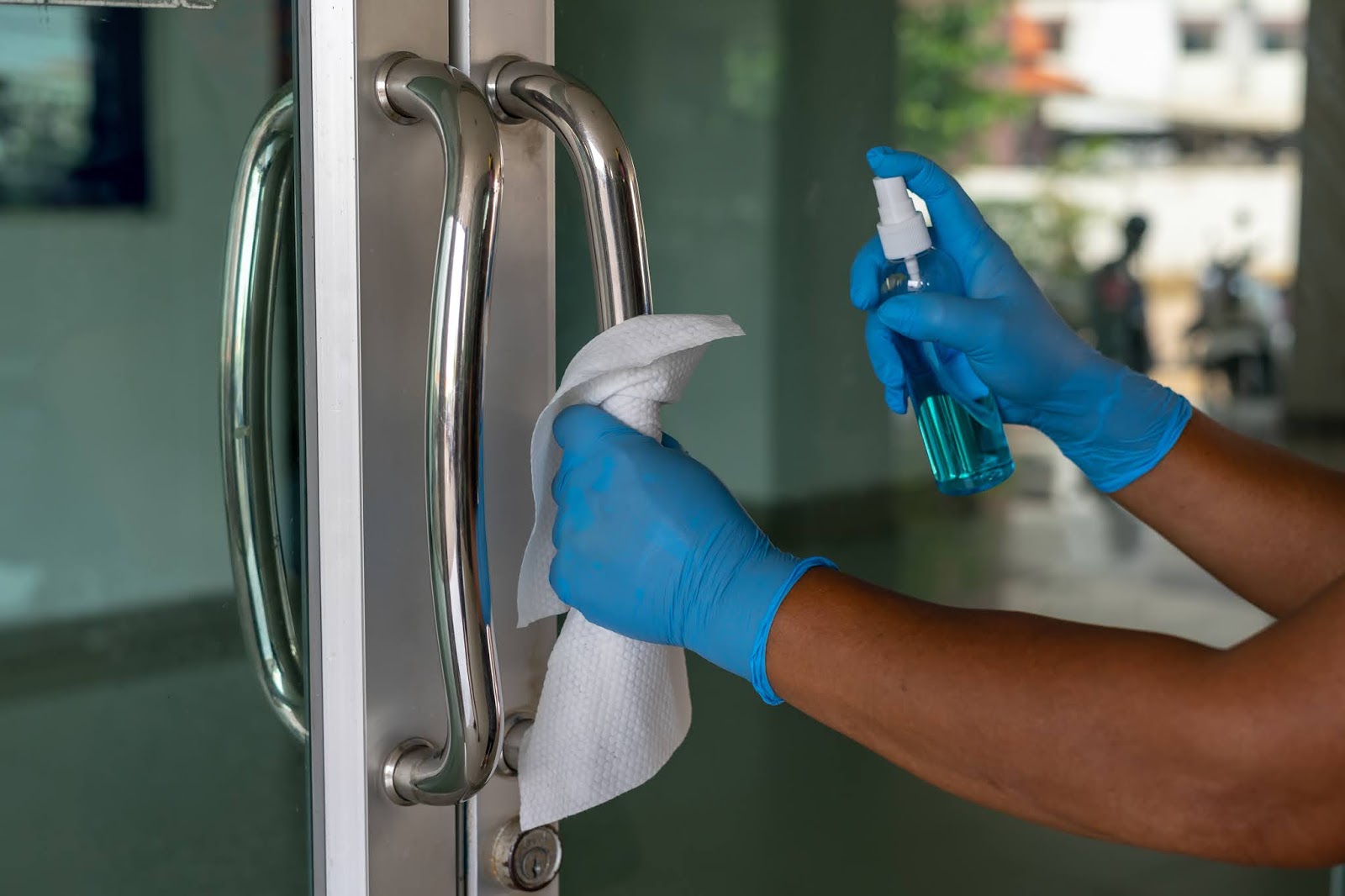
Take small steps when you can to manage your risks, like still having masks and hand sanitizer and washing your hands. If you’re lucky enough to have an office that has implemented safety policies, then the transition back there might be easier. It would be nice to see our office friends again and have lunch in our conference room like we used to, even if it is behind plexiglass. I miss our lunches together so much!

What are some things we can do for a positive impact on ourselves?

Practice mindfulness. Things such as meditating, praying and/or focusing on the positive things in your life daily.

Keep a routine. Focus on the things in your control. Do activities you enjoy whether it’s watching a movie or walking outside with your family or pets. Talk to family and friends regularly.

Take a break from the news. Too much social media isn’t good for anyone and neither is reading, watching or listening to COVID news. 

Listen to your body. Eat healthy, get some exercise, try to get enough sleep, stretch and breathe deep. 

The virus has had an impact on our mental health, and it is time to recover it. Anxiety is a completely normal response to stress, but if it becomes too overwhelming, please talk to someone. Your primary care provider is a great start for help. There are many other resources that are only a referral or a click away. Be kind to yourself and get help if you need it. After all, May is National Mental Health Month.

There is a light up ahead and excitement will be in our future. We can do this. Be patient even though it is getting extra hard. Hang in there a bit longer. Please.

https://www.cdc.gov/coronavirus/2019-ncov/daily-life-coping/managing-stress-anxiety.html 


Monday, March 22, 2021

World Immunization Week is April 22 – 28

The Centers for Disease Control and Prevention (CDC) normally promotes World Immunization Week at the end of April. The week is dedicated to promoting the use of vaccines to protect people of all ages against diseases and death. Never could we have imagined how important this week would be in 2021.

COVID-19 has ravaged our world with a fury that hasn’t been seen in a hundred years. We will never forget this. We will pass the stories down to our children and grandchildren, who are currently too young to understand everything that was gone through to try and protect as many people as possible. The world is now focusing on the new vaccines to protect against COVID-19 and with good reason. We want our lives back again. The COVID-19 pandemic showed us how quickly new diseases can spread when we have no immunity or vaccine to prevent them. It has been a pretty scary year for all. 

Now that there is hope on the horizon, we must not forget that routine vaccinations need to be completed. Immunization programs were scaled back around the world in 2020 to minimize COVID-19 transmission. Especially important now are the children who did not get their routine immunizations due to the pandemic. This puts them at increased risk for diseases like measles, polio and other vaccine preventable diseases. It’s time to get moving and finally get caught up with those missed vaccinations. 

The fact that misinformation continues to be a problem around the topic of vaccines is an added threat to our world. Trust and confidence are important to maintain and increase vaccine acceptance. Investment in vaccine programs is vitally important to remove access barriers. 

World Immunization Week 2021 will promote greater engagement globally around immunizations and promote the importance of vaccines. Let’s all work together to promote vaccines for people of all ages. Check with your primary care physician and pediatrician to make sure everyone in your family is up to date and if they aren’t, you know what you need to do.  


Tuesday, March 2, 2021

A Spring Renewal Like Never Before


Winter has helped prolong the torment that COVID has given us. We can’t get out and do the things we would normally do during an ordinary winter, much less a pandemic winter. As people get their vaccinations and cases go down, we anxiously await an end to the misery that has dragged us down into a pit for too long. I don’t know about you, but I’m desperate to be pulled out of that pit.

Sunday, March 14, will officially mark the beginning of Daylight Savings Time in Michigan and our days will get longer with one more hour of light to help remove us from our gloom. Spring will officially begin on Saturday, March 20. A new season with all the hopes and dreams we normally associate with it, but with a little more extra luck needed for this year. Cross your fingers, wear your favorite socks, bring out your four-leaf clovers and do whatever else your culture or religion suggests you can do for good luck. Everyone’s help is needed this year. We all want some good news and to feel hopeful, as we dare to dream about a post-COVID world.

A change in season can also signal to us a needed change in our behavior and what we would like to focus on for the new season. Perhaps taking better care of ourselves by eating healthier and getting outside more for physical activity would be a good start. Maybe it’s time to call our primary care physician and get an appointment for any needed health screenings and the yearly physical we put off in 2020.

Here are some National Health Observance items that alert us to what we can do for our personal health in the month of March:

National Nutrition Month. Most of us could make better food choices and develop sound eating and physical activity habits. Healthy eating and increasing our physical activity are also the two main things a person can do to prevent type 2 diabetes.

https://www.eatright.org/food/resources/national-nutrition-month 

Colorectal Cancer Awareness Month. Colorectal cancer is preventable and treatable. Current guidelines recommend screening for colorectal cancer beginning at age 50 (or earlier if certain risks are present.) Colonoscopy continues to be the gold standard for screening. 

https://www.cdc.gov/cancer/colorectal/basic_info/screening/index.htm 

Save Your Vision Month. This is our reminder to get a yearly eye exam from an optometrist. The American Optometric Association recommends eye exams every two years for adults 18-60 and yearly for people 61 and older. 

https://www.allaboutvision.com/eye-exam/ 

National Kidney Month. Our kidneys are important for our health. Diabetes and high blood pressure are the leading risk factors of kidney disease. Learn more about how you can keep your kidneys healthy at:

https://www.kidney.org/content/national-kidney-month 

Evidence-based Clinical Practice Guidelines such as the ones at the Michigan Quality Improvement Consortium (MQIC) are always a great resource. The aim of the Adult Preventive Services are to recommend to the health care provider appropriate screenings for a specific age group. Talk to your provider about any concerns you have about your health. If they don’t bring up screenings that are appropriate to your age group, bring them up yourself. 

http://www.mqic.org/pdf/mqic_adult_preventive_services_ages_18_to_49_cpg.pdf 

http://www.mqic.org/pdf/mqic_adult_preventive_services_ages_50_to_65plus_cpg.pdf 

The pandemic has caused much pain and played many tricks on us during its seemingly endless grip on our lives. As the trees, plants and flowers start their renewal, let’s look to them for strength and begin ours, too. 


Monday, February 1, 2021

February is Children’s Dental Health Month


The month of February presents a great opportunity to promote the benefits of good oral health in children. It also raises awareness of the importance of pediatric dental care at an early age. Developing good dental habits early helps children get started on the road for a lifetime of healthy teeth and gums. 

The American Academy of Pediatric Dentistry recommends that parents take their child to the dentist by the first birthday or six months after the first tooth becomes visible. Some parents may feel this timeline isn’t realistic for a variety of reasons. For the most part, dental care is started around the age of three or less. Most pediatricians keep tabs on a child’s mouth and may even provide fluoride at pediatric visits, but they aren’t a substitute for a trained dentist. Once the dentist gets their first look inside the child’s mouth to check the gums and teeth, preventive measures and parental concerns can be addressed early.

Home dental care is crucial. Tiny teeth need to be protected as they have a key role to save space for a child’s permanent teeth. These teeth affect smiling, chewing and speaking. They also have an important role in a child’s overall health. Tooth decay that is untreated can cause oral infections that can lead to other serious health problems. 

Baby bottle tooth decay has always been a problem for babies and young children. When a child consumes sweetened liquids or those with natural sugars (fruit juice, milk, formula) the bacteria in their mouth produces acid which attacks tooth enamel even on baby teeth. This can eventually cause tooth decay. Children should not fall asleep with a bottle with a sugary liquid. The liquid will be in their mouths ready to do the dirty work on these little teeth as they lay there at naptime or for the night. If a parent absolutely insists on putting a child to bed with a bottle, use only water. According to the American Dental Association, 40% of kindergarten children have early tooth decay. 

The following are some tips to help maintain a child’s dental health:

  • Wipe off your baby’s gums every day with a washcloth or clean gauze pad to clear away harmful bacteria
  • Brush their teeth beginning with the first tooth using an infant toothbrush. Use water and a tiny bit of fluoride toothpaste after six months of age.
  • Make brushing last for two minutes twice each day. Children who are ages two through six years should use a pea-sized amount of toothpaste. Supervise them once they are brushing their teeth themselves to remind them not to swallow toothpaste.
  • Start flossing as soon as their teeth start touching one another
  • Give your children healthy snacks like cheese or low-sugar yogurt. Resist sweetened beverages and gummy or sticky sweets that can lodge in between their teeth. 
  • Encourage the drinking of water as it helps to rinse away any sugar that is in their mouths. Some city water sources also contain fluoride which is an efficient way to prevent tooth decay. 
  • Replace your child’s toothbrush every few months
  • Get your child on your dental insurance
  • Schedule routine dental checkups every six months

During the COVID pandemic it has been difficult for many people to accomplish the preventive care they would normally be doing. Dental care may have been one of those items that was missed in 2020. As we start moving forward in this new year, make dental health a priority for your children and yourself. 


Monday, January 4, 2021

Finding Some Good from a Bad Year


Did you turn the calendar to 2021 as quickly as you could? For the first time ever, I put my new 2021 calendar into its wall holder at midnight on January 1, 2021. This horrible, painful, uncertain, challenging, roller coaster year couldn’t end quick enough. It has given me scars that will last for years. Going forward I will never have enough disinfecting wipes in my closet and I’ll most likely wear a mask at the airport even once it isn’t required. But as hard as this year was, I didn’t lose as much as others did and I am grateful.

We can never minimalize what this incredibly difficult year has done to so many people. But with all the bad, some good things did happen in 2020 because of the pandemic.
  • Health care workers have always been and will always be heroes. We can never thank them enough for what they and their families have gone through in this pandemic.
  • Teachers finally got the praise and recognition they have long deserved. Families discovered that homeschooling is hard, and teachers are heroes.
  • Truck drivers, farmers, grocery store workers stayed on the job to keep our economy going. They are heroes, too.
  • Two COVID-19 vaccines have been approved. Three more vaccines have clinical trials (Phase 3) in-progress or being planned.
  • Millions of us stayed at home without parties, social gatherings, vacations, and time with our extended family and friends to help reduce the spread of the virus. It has been frustrating, depressing and isolating, but it was the biggest selfless act of love ever given from one human being to another. Many discovered that quarantine time ended up being bonus time with their families that they normally didn’t have due to busy lives.
  • Small acts of kindness happened around the world as we stopped and smelled the roses.

Hopefully, we don’t have much longer to go until there is some normalcy to our lives again. We are all looking forward to that time. I asked coworkers three questions about 2020: what they have learned from 2020, in what ways have their lives changed for the better and what are they most looking forward to in 2021. Silver linings do exist and some of them are written below. Thank you to everyone who participated and bared their soul. You have all been inspiring. Here’s to a happier and healthier 2021!

What have you learned from 2020?


Rachel. I have learned that both myself and my family are resilient. I have learned that we can all adapt better than I ever expected. I have learned that things don't have to be perfect to be functional. I have learned that there is beauty in the chaos, and kindness is a JOY to spread. I have found my love for reading again. I learned to play more, and I realize that being outdoors is therapeutic for me...even the snow!

Denise. I have learned an easy, good recipe for bread after making several recipes, new cookies to make neither of these is a good thing!  Patience with a new puppy and training/command skills.  Learned to appreciate my home more, every room and everything in my home during so much time at home. Thankful I have a home, heat, food, and family. Learned new things about my husband and daughter during so much time spent together. Appreciated working at MNO even more, thankful I have a job I can work at home during a pandemic.

Erica. Don't take the "little things" for granted.

Yang. Since the pandemic, I learned a lot of things but most importantly to protect your loved ones. I know a lot of people have been affected by coronavirus and what it does to people emotionally and physically. I hope we can go back to normal, but I believe this will be the "new normal" for us. Be safe and mask up!!

Anonymous. With all the circumstances that have transpired this year, every day I find myself rereading a plaque someone gave me a few years ago. It reads, Don’t look back, you’re not going that way.” So, my eyes will look forward…I am thankful for my family and my life.

Ginny. Life and health are gifts to be appreciated. Technology is a gift! So is help dealing with it! Most aspects in 2020 unfortunately seemed to be politicized which impacted attitudes. This virus, although being vicious, became a source of blame rather than unity. Wondered how necessary all the shutdowns were as fiscal issues are terrifying. Children are stressed over all the changes in school. There’s more depression, anxiety and sadness in people.

In what ways has your life changed for the better? 


Rachel. I have had more time with my family. With keeping plans to a minimal my little family of four has more time together which I was craving!

Denise. My life has changed for the better in that I appreciate SEEING coworkers on Zoom more than I could imagine. I realized how much less my family can live with. Walking alone or with friend or family is really a joy. I need to walk more often. Talking on the phone with friends instead of sending a quick text is truly so much better. A slower day to day life is very sweet, more things seen and appreciated. Like a light turned on in my life.

Erica. I have learned a lot about gratitude, gratefulness, optimism, and hope! 

Ginny. Staying home allowed for more time to clean and organize house. Zooming with family in order to see them. Focus on hand washing and self-protection more. 
 

What are you most looking forward to in 2021?


Rachel. HUGGING PEOPLE! I am a hugger and I miss that terribly! Travel, vacations, big parties, loud houses!!

Denise. Looking forward to being together with coworkers without fear of COVID-19. To the freedom of being with ALL my family and hugging freely. Cautiously look forward to travel. Freely entertaining friends and family. Helping people in neighborhood, church wherever needed without worry of the virus. Look forward to participating in health fairs again with coworkers. Cautiously looking forward to COVID-19 vaccine for everyone.

Erica. Hopefully, the opportunity to be able to safely get together with family and friends and resuming life pre-COVID. 

Anonymous. It’s the eye of the tiger, it’s the thrill of the fight and rising up to daily challenges into the night!

Ginny. Seeing family in person! Hopefully, less stress and fear and more freedoms! 
 

Tuesday, December 1, 2020

National Hand Washing Awareness Week is December 6-12

The nightmare of 2020 is almost over, and it appears there is some hope for 2021 on the horizon. Bringing attention to National Hand Washing Awareness Week is a perfect ending for this year and serves as a reminder of what must be continued into the new year. Hand washing still needs to be a top priority as we navigate the pandemic along with our yearly flu season. 

Personal hygiene starts and ends with our hands. Clean hands can prevent illness, so it is important to learn the basics regarding hand hygiene. Good hand washing technique is the best way to stop the spread of germs that enter our bodies through the eyes, nose and mouth. Frequent hand washing with soap is one of the best ways to stop the spread of coronavirus. Make it a point to wash your hands several times a day whether you think they need it or not. Note: Yes, they need it. 

Learn the 4 Principles of Hand Awareness that are endorsed by the American Medical Association and the American Academy of Family Physicians:

  • Wash your hands when they are dirty and before eating
  • Do not cough into your hands
  • Do not sneeze into your hands
  • Do not put your fingers in your eyes, nose, or mouth
The CDC suggests remembering the 5 easy steps of handwashing:
  • Wet your hands with clean, running water and apply soap
  • Lather your hands and rub them together with the soap. Clean the back of your hands, between your fingers and under your nails.
  • Scrub for at least 20 seconds, which is the time it takes to hum or sing the “Happy Birthday” song twice
  • Rinse your hands with clean, running water
  • Dry your hands with a clean towel or air dry them 

Do you want to hear a gross statistic? Less than 75% of women and less than 50% of men wash their hands after using the bathroom. Yikes!

Whether you’re celebrating the December holidays of Christmas, Hanukkah, Kwanzaa, or the winter solstice, please take cleanliness and hygiene seriously (and get your flu shot now.) For further tips on handwashing and safe holiday celebrations, see the following links that are updated periodically.

https://www.cdc.gov/handwashing/index.html 

https://www.cdc.gov/coronavirus/2019-ncov/daily-life-coping/holidays.html 

Have a safe holiday season!


Monday, November 2, 2020

Best Thanksgiving Ever!


Eh, probably not this year. It’s almost turkey time and this Thanksgiving will be quite a bit different than 2019. Instead of your home brimming with people or traveling to see family and friends you haven’t seen in a while, it probably should be a bit quieter… and that’s a good thing for this year. It’s unfortunate that COVID-19 is making surges in states around the country (Michigan included) and there is worry that it and the seasonal flu may converge and cause extra problems. Yes, this should put a damper on our travels, party hosting and party attendance.

According to the CDC, the main guidance is to assess the levels of COVID-19 infections in the community you’ll be at for the holiday. Gathering indoors continues to make things riskier. If there are high infection rates in the area, limit the amount of people at the gathering or postpone or cancel it altogether. Each individual family needs to evaluate the risk and benefit of what they are doing. The CDC has recommendations for low, moderate and high-risk activities. https://www.cdc.gov/coronavirus/2019-ncov/daily-life-coping/holidays.html

If you’re looking for ways to change things up at home, here are a few ideas:

  • Have a menu with only five items: main dish, two favorite sides, and your two most favorite desserts
  • Have a Thanksgiving potluck or small brunch with the people you trust the most and make sure they’re following coronavirus protocols of mask wearing, social distancing and hand washing
  • Order out a Thanksgiving meal and help a local business
  • Prepare holiday food and deliver it without contact to someone in need
  • Have Thanksgiving with your immediate family and invite extended family or friends to join via Zoom with their Thanksgiving
  • Enjoy the fact that this year you won’t have an exhausting and extended family gathering that goes on for hours, along with hours of preparation and hours of clean-up

If you decide to travel on a road trip, assess the risks along the way like restaurants, gas stations and rest stops. Do everything you can to limit your exposure. If you are renting a place to stay, make sure that place was cleaned thoroughly; many rentals are taking extra measures now and say that on their webpages. If you fly on this traditionally biggest air travel period of the year, be careful at the airport where the greatest risk is with more people and less controls. The airplanes themselves are considered generally safe with all the precautions the airlines are taking, but there is always the chance of increased exposure.

It is possible to celebrate Thanksgiving safely and on a smaller scale this year. Resist the lure of holiday parties and seeing the family and friends you haven’t seen during this confusing and chaotic year. We must stay on the alert. Everyone has coronavirus fatigue. Remember that we will continue to get through this as we’ve done all year. We can stay strong and deny our regular lives a bit longer. Please. For everyone. This year is truly all about sacrifice for the greater good.

If you’re anything like me, you dream about last year and what you were doing at various times of the year. I love to travel and last year I was fortunate enough to go on numerous vacations like I try to do every year. This year, well, I’ve been home on porch villa. Porch villa is not my vacation of choice. I am longing for my first air travel vacation post-COVID-19, which will be on a warm, sunny beach under a palapa watching the waves and enjoying an adult beverage. And when that day comes, it will be glorious.

Monday, October 5, 2020

Coronavirus Halloween 2020


Our monthly blog is on occasion about our National Health Observances, with the additional bonus this year (eek!) of having to weave COVID-19 into the monthly narrative. As we continue to live the misfortune of 2020 with COVID-19 dampening a lot of our usual fun, it only seemed appropriate to start the fall season with something upbeat. Halloween 2020 will be here soon and now is the time to start preparing. Yes, we can look for creative ways to enjoy Halloween with our families during a pandemic.

The State of Michigan has released COVID-19 recommendations for a safe celebration:

https://www.michigan.gov/som/0,4669,7-192-29942-540429--,00.html

The CDC has also released Halloween guidelines:

https://www.cdc.gov/coronavirus/2019-ncov/daily-life-coping/holidays.html#halloween

Traditional trick-or-treating is considered a high-risk activity by the CDC. Some communities may discourage or cancel it this year. There are safety tips if families choose to trick-or-treat and alternate activities that can be thought about, too. The CDC link above also categories low, moderate and high-risk activities for the season.

For trick-or-treaters and parents:

  • Share with your children that this year may be different than last year but let them know some the of the new ways you plan to celebrate and still have a lot of fun
  • Talk with your children about safety and social distancing guidelines. Keep a six-foot distance from others not in your group. Discuss it with them before you go out and make sure they are following the guidelines throughout the night.
  • Sanitize your hands frequently while out treat-or-treating, especially before eating or after coughing and sneezing
  • Make sure children are sanitizing their hands frequently throughout the night and after they are finished trick-or-treating
  • Inspect your children’s candy for anything out of the ordinary before they eat it. You may want to wipe the candy down or let it sit a few days before giving it to your child.
  • Participate in one-way trick-or-treating on the street and guide children to stay to the right to ensure social distancing
  • Trick or treat with people you live with
  • Avoid congregating in groups around houses
  • Wear a face mask covering both mouth and nose
    •  A costume mask (such as a Halloween mask) is not a substitute for a cloth mask
    • Do not wear a costume mask over a protective cloth mask if wearing both causes difficulty breathing. Instead, consider using a Halloween-themed cloth mask.
  • Only go to houses with safety measures in place
  • If anyone is feeling ill, stay home
  • Check out https://www.halloween2020.org/ presented by Harvard Global Health Institute to find activities and ways to celebrate Halloween this year based on levels of COVID-19 risks in your area

Tips for homeowners:

  • Wear a mask
  • Use duct tape to mark six-foot lines in front of your home and leading to your driveway and front door
  • Position a distribution table between yourself and trick-or-treaters to make sure they stay 6 feet away
  • Distribute candy on a disinfected table or use some other method to eliminate direct contact. Perhaps have pre-packaged treat bags
  • Consider handing out candy in an open space where distancing is possible, rather than from the front door
  • Do not hand out candy if you feel ill

The Michigan.gov guidance also urges us to consider hosting virtual parties instead of in-person Halloween parties. If a gathering is hosted, it should be limited to 10 people or less per Executive Order 2020-176, social distancing should be maintained, cloth masks should be worn, and food and party favors should be set out individually to prevent cross contamination.

There are also some other fun and creative ways to celebrate:

  • Reverse trick-or-treating. Have kids dress up in their costumes and set up shop in the front yard or porch. Organize neighbors to drive or walk around and hand out candy.
  • Drive-up trick-or-treating. Instead of walking house to house, pick a few homes of close friends or relatives and drive there. Call or text to let them know you have arrived, go up to the front door, and back again to the car.
  • Halloween Zoom party. If you can handle another Zoom meeting in your life, invite family and friends to a Halloween-themed zoom party with costumes being required.
  • Go trick-or-treating in your own house. It may not sound exciting to you, but younger children may enjoy it. Instead of going door to door, just set up candy or treat stations throughout your house, put on Halloween music and lighting, and go trick-or-treating
  • Have a driveway or garage candy giveaway. Driveways are usually wider than sidewalks so there is more of a chance for social distancing.
  • Car parade. Organize a neighborhood trick-or-treating car parade with cars covered in Halloween decorations. Drive up and down your block and throw candy to each driveway. It keeps everyone at a safe distance.
  • Make a spooky room. Make a spooky room or area in your house. Put up lights and cobwebs and use boxes that they have decorated. Laugh a lot to show them this is fun and not scary. Perhaps make a tunnel for the entry to the room that they must crawl through or a maze on the inside. Go to the dollar store for decorations, but do not wait too long. With the way things are going this year, all the decorations will be gone.
  • Decorate your yard this year. Use your imagination with making ghosts and goblins at home or using lights and other things you purchase at the store. Let the kids help when they can, even if it is just putting tape on something.
  • Go to the cider mill. There are plenty of safe ways to do it. Who doesn’t love donuts and cider and walking around to see the displays? You might want to rethink the hayride this year. Do not go at crowded times is my mantra and keep your distance from others. Make sure to bring your hand sanitizer.
  • Pumpkin decorating. Let the little kids pick out their own pumpkin. There are plenty of small ones out there and it gives them a chance to express themselves. To make it easy for you and them, look for ways to only decorate the outside of the pumpkin. Items such as mix and match face stickers, strings, cloth, glitter glue, markers, and acrylic paint are all different ways that the little ones can individualize their pumpkin as they see fit. They will be proud at what they have accomplished.
  • Movie night. Make it spooky and dress up. Do it as a family or let them watch with their friends while video chatting with everyone starting the movie at the same time. Make sure the movie is appropriate for their age group.

Yes, this year is different, and trick-or-treating may not feel right for everyone. People have health concerns and going door-to-door can be out of our comfort zone. This is also a chance to get creative and, perhaps, start some new Halloween traditions in the family. Kids seem have a magical way of having fun no matter what the situation. As adults, let’s aim for that, too.


Wednesday, September 2, 2020

National Food Safety Education Month


September is Food Safety Education Month where the focus is how we can keep our food safe and prevent food poisoning. According to the CDC, 1 in 6 Americans (or 48 million people) get sick, 128,000 are hospitalized and 3000 die from eating contaminated food every year. Although anyone can get sick from food poisoning, there are some groups who are more vulnerable. These include:
  • Children younger than 5 years old
  • Adults 65 and older
  • People who have weakened immune systems or take medications that lower the body’s ability to fight sickness and germs
  • Women who are pregnant
In order to protect yourself and your family, follow the steps of safe food handling when preparing and cooking food at home:
  • Clean: wash hands, utensils and surfaces often while cooking
  • Separate: raw meat, poultry, seafood and eggs as they can spread germs. Keep them separated from cooked food and fresh produce.
  • Cook: use a food thermometer to make sure the internal temperature of the food is such that the germs are killed
  • Chill: refrigerate perishable foods and leftovers within 2 hours
I did want to mention COVID-19. Since COVID-19 is a respiratory virus, not a foodborne illness, there is currently no evidence to support the transmission of COVID-19 in association with food. Since COVID-19 causes respiratory illness, the greatest risk is being around people who have the virus and are symptomatic. As with any food safety, though, similar actions to prevent foodborne illness can be taken to stop the spread of COVID-19. These include hand hygiene, using gloves when necessary, covering your cough or sneeze with a tissue, and cleaning and disinfecting surfaces.

Stay healthy by being clean is always the motto whether COVID-19 is with us or not. By following food safety guidelines, we can all reduce the incidence of not only foodborne illness, but that awful virus, too.

Tuesday, August 4, 2020

National Health Center Week is Coming!


The theme for this years National Health Center Week of August 9-15 is “Community Health Centers: Lighting the Way for Healthier Communities Today and in the Future.” The reason for having an annual celebration for community health centers is to raise awareness about their mission and accomplishments. The goals are special for this year, too. They include celebrating and honoring the front-line providers, the staff and the patients who lost their lives in our current COVID-19 pandemic.

During this COVID-19 pandemic, many community health centers have been providing telehealth services to their patients, in addition to their in-office services. Telehealth can be made available for not only regular medical needs, but also urgent care and behavioral health services.

In case you’re not familiar with what a community health center is, let me give you some background. Five decades long is the timeline for the existence of community health centers. Community health centers are in high-need communities serving populations with limited access to health care. Many are recognized as an FQHC (Federally Qualified Health Center); FQHCs are held to the highest standards of regulations under the federal government. Some are called FQHC Look-Alikes which means they don’t receive grant funding but may receive many of the same benefits. Many community health centers have also achieved PCMH (patient-centered medical home) recognition.

Community health centers provide a safety net for people who might not otherwise have access to these services. Many have a sliding scale fee based on income and household size. Some provide supportive services such as transportation, education and translation services. Community health centers are committed to providing a range of affordable family health services. Many are a kind of “one-stop shopping” with a multidisciplinary health care team and may also provide women’s health services, child and adolescent health, behavioral health, dental health, laboratory services, radiology, and have pharmacies on-site. All are caring for the underserved in their communities by providing health care to those who need it.

Each day of the week for August 2020 has a special focus:
  • Sunday, 8/9: Public Health in Housing Day
  • Monday, 8/10: Healthcare for the Homeless Day
  • Tuesday, 8/11: Agricultural Worker Health Day
  • Wednesday, 8/12: Patient Appreciation Day
  • Thursday, 8/13: Stakeholder Appreciation Day
  • Friday, 8/14: Health Center Staff Appreciation Day
  • Saturday, 8/15: Children’s Health Day


As we continue to deal with the COVID-19 pandemic, remember how our community health centers provide high-quality, affordable, and comprehensive health care to the communities they serve.

Wednesday, July 1, 2020

Preparation for Onsite Trainings and Events


As we re-open Practice Transformation Institute (PTI) to onsite training and events, we want you to know that we are working hard to make this “new normal” as safe as possible. As there is a risk of exposure to COVID-19 in any public place due to the contagiousness of the disease, we are following the Centers for Disease Control (CDC) guidelines to lower that risk during every PTI training and event. We closely monitor changes in the guidelines and other public health updates and will continue to revise our protocols as necessary.

All employees have successfully completed COVID-19 worksite preparation and protection training that supports the readiness and return to work strategies to reopen safely. These included viewing safety videos, participating in Zoom trainings, watching webinars and successfully passing a test with a high score.

Everything that PTI does is our best effort to keep our attendees, employees, speakers and community safe. We thank you for your patience as we begin these next steps in the delivery of our programs and for your continued support of PTI.

Yours in good health,
The PTI Team

Monday, June 1, 2020

June is PTSD Awareness Month


Post-traumatic stress disorder, otherwise known as PTSD, is a mental health problem. It can cause us to have anxiety, nightmares, upsetting memories and a lot of other symptoms. If you have these types of symptoms and they last more than a couple of months, PTSD could be the cause.

During this month, we always think about our veterans and the sacrifices they endured in the line of duty. Many of them have PTSD due to their experiences. But PTSD can also have an impact on people who have been in a car accident, had a sexual assault, or been involved in another type of life-threatening event. A disaster such as a hurricane, tornado, earthquake, flood, or fire can be a life-threatening event. A life-threatening event can also be a pandemic like we are currently experiencing with COVID-19.

There are over 8 million people in the United States who have PTSD. That doesn’t account for all the new cases caused by COVID-19 that we don’t even know about yet. Spread the word that there are treatments available and they can lead to an improved quality of life. The best chance of getting better is by working with a mental health professional for self-help and coping. Practicing mindfulness and participating in support groups are good choices. Many people don’t get the help they need because they don’t know it is out there. Please help raise PTSD awareness this month. The links below can help.


Monday, May 4, 2020

Where Do We Go from Here?


Interesting times. Challenging times. Uncertain times. Horrible times. Times we will never forget. Everyone will have their personal way of documenting this period of our lives. It would be nice to put COVID-19 into a locked box and throw it into the ocean abyss, that bottomless portion of the ocean that remains in perpetual darkness. This virus, and all that has come with it, has been a darkness for humanity. These are times we hope to never see again. Unfortunately, science tells us otherwise.

I sometimes plan my blogs a couple of months in advance. This month was going to be about melanoma and skin cancer detection, along with sun safe behaviors. After all, May is melanoma and skin cancer detection and prevention month. Ah, good times when we could talk about things like that. I’m longing for the past and I’m yearning for a future that includes doing things with my family and friends and going on vacation again. I had to cancel a Mexico vacation that I was greatly looking forward to. You see, I love laying and walking on the beach, listening to the waves, swimming in the surf, sipping a margarita under a palapa, and eating my favorite Mexican food. It was depressing to cancel the trip, but fortunately I didn’t lose any money and was able to get eCredit for my plane tickets. The wonderful resort in Mexico that I love gave me my deposit back and I will return there when it is safe. For what so many other people have gone through, my trip longing is selfish. I have family members going to the hospital every day, working in horrendous circumstances, hoping they don’t catch the invisible evil or bring it home. I have family members and friends who went through the virus, some easier than others. I listen to the news every day and I pray for our collective health as a country and world.

Where do we go from here? Some of our states have started opening in what we hope is a slow and measured way with attention paid to science. We hope there is no upswing in cases and deaths as the states open. We hope for more testing to see where the virus has been and where it is going. We hope for a vaccine or other treatment that prevents or makes the worse symptoms less horrendous. We all long for some normalcy to our lives.

Keeping that in mind, I will end my blog with a bit of normalcy about my planned subject for the May blog. Let’s not forget that May is melanoma and skin cancer detection and prevention month. After all, our weather is on the upswing and we now have more sunny days. The link below has some great information on how to do skin self-exams, the health benefits of safe sun protection and best practices.


Who loves the sun? Not everyone, as Lou Reed and the Velvet Underground so aptly sang back in the day. But for me, I am a sun lover. Give me a warm, sunny day, any day. And get me back on that Mexico beach under a palapa with sunscreen, cute hat and sunglasses as safely and quickly as possible. 

Content by Carla Irvin, BSN